


 08045812128

- Home Page
- Company Profile
-
Our Products
-
Acid Alkali Resistant Tile Brick Lining
- Chemical Resistant Floor Lining
- Acid Resistant Tile Lining
- Acid Proof Tile
- Alkali Resistant Tile Lining
- Acid Proof Tile Lining
- Chemical Resistant Tile Lining Of A Plant Floor
- Alkali Resistant Brick Lining
- Industrial Acid Resistant Brick Lining
- Alkali Proof Tile Lining
- Industrial Alkali Resistant Tile Lining
- Acid Proof Tank Lining
- Acid Resistant Brick Lining
- Chemical Resistant Tile Lining
- Chemical Resistant Tile Lining Of Reaction Vessel
- Acid Proof Brick
- Epoxy Painting and Chemical Resistant Lining Works
- PPG Lining
- Coal Tar Epoxy Coating
- Bituminous Coating
- Acid Resistant Tile Lining
- Chemical Resistant Monolithic Coating
- Power Plant Acid Proof Tile Lining Services
- Wall Coating
- Epoxy Coating
- FRP Lining
- Refractory
-
Acid Alkali Resistant Tile Brick Lining
- Extra Link
- Contact Us
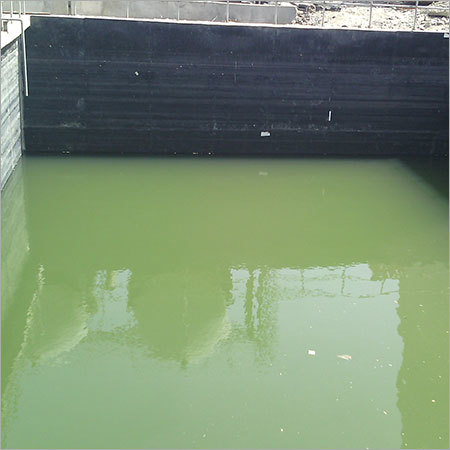
Acid / Alkali Proof Glass lining
2500 INR/Square Meter
Product Details:
- Color Blue, White, Customized
- Load Capacity Designed as per equipment requirements
- Installation Type Factory Bonded/Fused to Steel Vessels
- Usage Prevents Chemical Attack, Extends Equipment Life
- Diameter Up to 3200 mm (Custom sizes available)
- Machines Type Reactors, Storage Tanks, Process Vessels
- Material Grade Special Glass Lining Grade, Borosilicate/Enamel Glass
- Click to View more
X
Acid / Alkali Proof Glass lining Price And Quantity
- 2500 INR/Square Meter
- 150 Square Meter
- Excellent electrical insulation properties
- Low maintenance, easy to clean
- Acids, Alkalis, Solvents except Hydrofluoric Acid
- Strong adhesion between glass and metal base
- Thermal fusion of glass layer on steel base at high temperature
- Zero porosity, non-absorbent surface
- Smooth and rounded for safety and durability
- Spark test, porosity test, thickness test, visual inspection
- Suitable for most industrial acids, alkalis, and chemicals
- High resistance against corrosion and abrasion
- Up to 200°C continuous operation
- Long operational life in harsh environments
- Meets ASTM and DIN standards for glass lining
- 7 Mohs (approximate)
Acid / Alkali Proof Glass lining Product Specifications
- Prevents Chemical Attack, Extends Equipment Life
- Factory Bonded/Fused to Steel Vessels
- Acid / Alkali Proof Glass Lining
- Up to 3200 mm (Custom sizes available)
- Blue, White, Customized
- Designed as per equipment requirements
- Varies with size
- Superior Chemical Resistance, Non-Porous Surface
- Glazed, Acid/Alkali Resistant Coating
- High purity glass, Non-contaminating
- Cylindrical, Spherical, or Custom Shapes
- High Purity Glass and Steel Substrate
- Reactors, Storage Tanks, Process Vessels
- Thermal Shock Resistance, Corrosion Proof, Smooth Finish
- 1.5 mm to 3.5 mm (Glass Lining Layer)
- Special Glass Lining Grade, Borosilicate/Enamel Glass
- Lined Sheet/Coating on Metal
- Chemical Processing Equipment, Pharmaceutical Industries, Food Processing, Storage Tanks, Reactors, Pipelines
- Customizable as per requirement
- Excellent electrical insulation properties
- Low maintenance, easy to clean
- Acids, Alkalis, Solvents except Hydrofluoric Acid
- Strong adhesion between glass and metal base
- Thermal fusion of glass layer on steel base at high temperature
- Zero porosity, non-absorbent surface
- Smooth and rounded for safety and durability
- Spark test, porosity test, thickness test, visual inspection
- Suitable for most industrial acids, alkalis, and chemicals
- High resistance against corrosion and abrasion
- Up to 200°C continuous operation
- Long operational life in harsh environments
- Meets ASTM and DIN standards for glass lining
- 7 Mohs (approximate)
Acid / Alkali Proof Glass lining Trade Information
- 5000 Square Meter Per Week
- 2-7 Days
- Yes
- Free samples are available
- AS PER REQUIREMENTS
- All India
- ISO : 9001 , 2015
Product Description
GEFLOR PPGL
Polypropylene Glass Lined system
GEFLOR PPGL is a chemical resistant lining system particularly for use in DM water plants
Copolymerized PP (polypropylene) sheets are fused with a glass woven fabric at high temperature This inline bonding gives GEFLOR PPGL excellent bond strength The glass fabric provides a base for application of resins and promotes adhesion and the Polypropylene face provides excellent chemical and UV resistance The composite also provides enhanced product performance with respect to improved mechanical resistance
- GEFLOR PPGL has excellent chemical resistance
- GEFLOR PPGL has good UV resistance
- GEFLOR PPGL has negligible joints
- GEFLOR PPGL has good abrasion resistance
GEFLOR PPGL bonding compound is highly chemical resistant and has excellent adhesion to concrete compared to other PPGL linings available in the market
Exceptional Chemical Resistance
The glass lining is engineered to endure aggressive acids, alkalis, and solvents found in industrial environments. Its non-porous, acid/alkali resistant coating prevents chemical attack and corrosion, maintaining purity and structural integrity over years of use. This quality is especially beneficial in the production or storage of sensitive chemicals and pharmaceuticals.
Advanced Manufacturing Process
Through thermal fusion at high temperatures, high purity glass is bonded to steel substrates, creating a robust barrier with zero porosity. This factory-bonded method ensures strong adhesion between glass and base metal, thereby extending the equipments life and reducing the risk of wear or contamination. Customizations are available to meet specific capacity and design requirements.
Quality Assurance and Compliance
Every glass-lined product undergoes a series of rigorous tests, including spark, porosity, thickness, and visual inspections, ensuring compliance with ASTM and DIN standards. Smooth edge finishes and non-contaminating materials guarantee quality, safety, and optimal performance in demanding industrial applications.
FAQs of Acid / Alkali Proof Glass lining:
Q: How is the acid/alkali proof glass lining applied to industrial equipment?
A: The lining is bonded through a thermal fusion process at high temperatures, where high purity glass is baked and fused directly onto a steel vessel, ensuring strong adhesion and a seamless protective layer.Q: What types of chemicals and environments is this glass lining suitable for?
A: It is compatible with most industrial acids, alkalis, and solvents, excluding hydrofluoric acid. Its robust corrosion and abrasion resistance make it ideal for use in chemical processing, pharmaceuticals, food industries, and storage applications.Q: When should I consider using glass-lined equipment?
A: Glass-lined equipment is recommended when your process involves highly corrosive chemicals, requires non-contaminating surfaces, and demands long operational life. This is particularly relevant in harsh industrial, pharmaceutical, or food processing environments.Q: Where can glass-lined vessels or components be installed?
A: These linings are used in reactors, storage tanks, process vessels, pipelines, and other containers found in industrial settings, with installations performed at the factory to ensure precise bonding and quality control.Q: What benefits does glass lining provide over traditional metal coatings?
A: Glass lining delivers superior resistance to chemical attack, zero porosity, non-absorbent and smooth surfaces, excellent electrical insulation, and minimal maintenance compared to standard metal coatings, significantly extending equipment life.Q: How is the quality of glass-lined equipment tested?
A: Quality assurance includes spark testing, porosity examination, thickness measurement, and visual inspection to verify adhesion, durability, and compliance with industry standards such as ASTM and DIN.Q: Can the glass lining be customized for specific equipment sizes and shapes?
A: Yes, glass lining can be tailored to various cylindrical, spherical, or custom shapes with diameter options up to 3200 mm and glass thickness from 1.5 mm to 3.5 mm. Color and grade are also customizable based on operational needs.Tell us about your requirement

Price:
Quantity
Select Unit
- 50
- 100
- 200
- 250
- 500
- 1000+
Additional detail
Mobile number
Email

Other Products in 'PPG Lining' category



Contact Details
GOOD EARTH MINERALS PVT. LTD.
GST : 27AABCG7323C1ZZ
GST : 27AABCG7323C1ZZ
- 207, Ruby Industrial Estate, Mindspace, Malad (W),Mumbai - 400064, Maharashtra, India
- Send Inquiry
- Phone : 08045812128
 Send Inquiry
- Mr Ram (Sales Engineer)
- Mobile : 08045812128
|



 |
GOOD EARTH MINERALS PVT. LTD.
All Rights Reserved.(Terms of Use) Developed and Managed by Infocom Network Private Limited. |
