


 08045812128

- Home Page
- Company Profile
-
Our Products
-
Acid Alkali Resistant Tile Brick Lining
- Chemical Resistant Floor Lining
- Acid Resistant Tile Lining
- Acid Proof Tile
- Alkali Resistant Tile Lining
- Acid Proof Tile Lining
- Chemical Resistant Tile Lining Of A Plant Floor
- Alkali Resistant Brick Lining
- Industrial Acid Resistant Brick Lining
- Alkali Proof Tile Lining
- Industrial Alkali Resistant Tile Lining
- Acid Proof Tank Lining
- Acid Resistant Brick Lining
- Chemical Resistant Tile Lining
- Chemical Resistant Tile Lining Of Reaction Vessel
- Acid Proof Brick
- Epoxy Painting and Chemical Resistant Lining Works
- PPG Lining
- Coal Tar Epoxy Coating
- Bituminous Coating
- Acid Resistant Tile Lining
- Chemical Resistant Monolithic Coating
- Power Plant Acid Proof Tile Lining Services
- Wall Coating
- Epoxy Coating
- FRP Lining
- Refractory
-
Acid Alkali Resistant Tile Brick Lining
- Extra Link
- Contact Us
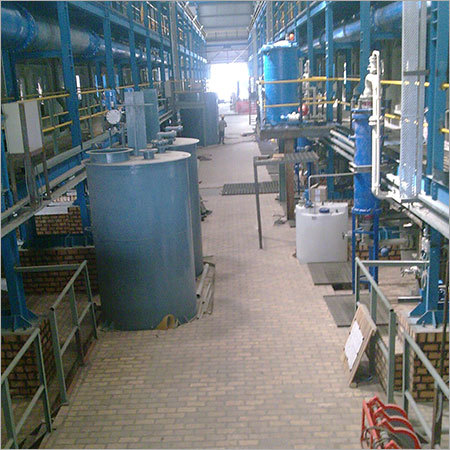
Industrial Acid Resistant Brick Lining
2500 INR/Square Meter
Product Details:
- Machines Type Manual & Mechanical installation compatible
- Load Capacity 40 N/mm (Compressive Strength)
- Material Grade IS 4860: Acid Resistant Quality Grade I/II
- Usage Acid resistant lining for floors, walls, tanks, process vessels
- Purity 99% (acid proof raw material)
- Thickness 38 mm, 65 mm, 75 mm, and custom
- Application Chemical plants, storage tanks, pickling tanks, flooring, drains, reaction vessels
- Click to View more
X
Industrial Acid Resistant Brick Lining Price And Quantity
- 2500 INR/Square Meter
- 150 Square Meter
- 2-4 weeks depending on order size
- Furan / Silicate / Epoxy based acid-resistant mortar
- Smooth & even
- Unlimited when kept dry and protected
- Less than 1.5%
- Outstanding against Sulphuric Acid, Nitric Acid, Hydrochloric Acid, and Alkali
- Complies with IS, DIN and ASTM standards
- Suitable for vertical, horizontal, and curved surfaces
- 15 N/mm² minimum
- Wooden pallets, shrink wrapped
- Up to 1700°C
- 2050 - 2100 Kg/m³
- 0.5 - 1.0 W/m·K
Industrial Acid Resistant Brick Lining Product Specifications
- 99% (acid proof raw material)
- Chemical plants, storage tanks, pickling tanks, flooring, drains, reaction vessels
- 38 mm, 65 mm, 75 mm, and custom
- Manual & Mechanical installation compatible
- 3.2 Kg per brick (approx)
- Rectangular
- IS 4860: Acid Resistant Quality Grade I/II
- Acid resistant lining for floors, walls, tanks, process vessels
- 40 N/mm (Compressive Strength)
- 230 x 115 x 65 mm (Standard) | Available custom sizes
- Red / Brown / Buff / Customized
- Masonry with acid resistant mortar
- Industrial Acid Resistant Brick Lining
- Glazed / Unglazed
- Superior resistance to acids, alkalis, and chemical corrosion
- Solid bricks
- High Quality Acid Proof Clay
- High mechanical strength, thermal shock resistance, long service life
- 2-4 weeks depending on order size
- Furan / Silicate / Epoxy based acid-resistant mortar
- Smooth & even
- Unlimited when kept dry and protected
- Less than 1.5%
- Outstanding against Sulphuric Acid, Nitric Acid, Hydrochloric Acid, and Alkali
- Complies with IS, DIN and ASTM standards
- Suitable for vertical, horizontal, and curved surfaces
- 15 N/mm² minimum
- Wooden pallets, shrink wrapped
- Up to 1700°C
- 2050 - 2100 Kg/m³
- 0.5 - 1.0 W/m·K
Industrial Acid Resistant Brick Lining Trade Information
- 5000 Square Meter Per Week
- 2-7 Days
- Yes
- Free samples are available
- as per requirements
- All India
- ISO : 9001 , 2015
Product Description
GEROCK Bricks
Acid Resistant Bricks Conforming to IS 4860 - 1968
GEROCK Bricks are specially designed tiles and bricks to resist acid, alkali, solvents handled in chemical plants. These tiles when laid in chemical resistant mortars protect equipment such as plant floors, tanks, drains, reaction vessels etc. from corrosion caused by acids, alkalis, solvents and chemicals. GEROCK tiles and bricks are fired at high temperatures of over 11000C, which causes the raw materials to fuse into a composite tile which is low in absorption, is highly chemical resistant, abrasion resistant and has excellent high compressive strength.
GEROCK Bricks are very heavy duty and generally used in effluent treatment plants, D M plants, process plant floors, acid/ alkali storage tanks dyke areas, battery rooms, pickling lines at steel plants.
Exceptional Chemical & Thermal Resistance
These acid resistant bricks excel in environments exposed to aggressive acids like sulphuric, nitric, hydrochloric, and alkalis. Their composition enables reliable service up to 1700C, making them suitable for a range of industrial processes. The bricks low water absorption and robust thermal conductivity help maintain integrity in demanding conditions.
Versatile Application & Easy Installation
Compatible with vertical, horizontal, and curved surfaces, these bricks suit diverse installation needs. They can be laid using manual or mechanical methods, bonded with advanced acid-resistant mortars including furan, silicate, or epoxy. The smooth finish and variable thickness options cater to custom project specifications, ensuring seamless integration in flooring, tanks, drains, and vessels.
Complies with International Quality Standards
Tested to comply with IS, DIN, and ASTM standards, these bricks guarantee consistent quality and performance. With a density of 20502100 Kg/m and impressive compressive strength, they offer enduring protection. Properly stored, they have an unlimited shelf life, making them a reliable choice for industrial applications in India and worldwide.
FAQs of Industrial Acid Resistant Brick Lining:
Q: How are industrial acid resistant bricks installed for masonry lining?
A: These bricks are installed using acid-resistant mortars such as furan, silicate, or epoxy. The process allows for manual or mechanical installation on vertical, horizontal, or curved surfaces, ensuring a secure and chemical-resistant lining for structures like tanks, floors, and reaction vessels.Q: What makes acid resistant brick lining suitable for chemical plant applications?
A: Their superior resistance to acids and alkalis, high mechanical strength, low water absorption, and thermal shock resistance make them ideal for chemical plants. They protect surfaces from corrosion and damage in areas like storage tanks, pickling tanks, drains, and flooring.Q: When should acid resistant brick lining be used in industrial projects?
A: Brick lining is recommended whenever durable protection against aggressive chemicals, high temperatures, and mechanical stress is requiredparticularly in chemical plants, process vessels, tanks, and industrial flooring subjected to acid spills or corrosion.Q: Where can acid resistant brick lining be applied for maximum benefit?
A: These bricks are best used in environments such as chemical processing floors, storage and pickling tanks, drains, reaction vessels, and any areas needing robust acid and alkali resistance. Their compatibility with multiple installation surfaces enhances their application flexibility.Q: What are the benefits of using high quality acid resistant bricks over standard masonry bricks?
A: Acid resistant bricks offer outstanding chemical resistance, long service life, high mechanical and thermal resistance, and minimal maintenance. Their compliance with international standards and custom sizing options further enhance their suitability for demanding industrial applications.Q: How does the product ensure longevity and low maintenance requirements?
A: These bricks are manufactured from 99% pure acid proof raw materials and feature high density, enabling long-term performance under harsh conditions. With unlimited shelf life when kept dry, they require minimal upkeep, providing sustained protection and reliability.Tell us about your requirement

Price:
Quantity
Select Unit
- 50
- 100
- 200
- 250
- 500
- 1000+
Additional detail
Mobile number
Email

Other Products in 'Acid Alkali Resistant Tile Brick Lining' category



Contact Details
GOOD EARTH MINERALS PVT. LTD.
GST : 27AABCG7323C1ZZ
GST : 27AABCG7323C1ZZ
- 207, Ruby Industrial Estate, Mindspace, Malad (W),Mumbai - 400064, Maharashtra, India
- Send Inquiry
- Phone : 08045812128
 Send Inquiry
- Mr Ram (Sales Engineer)
- Mobile : 08045812128
|



 |
GOOD EARTH MINERALS PVT. LTD.
All Rights Reserved.(Terms of Use) Developed and Managed by Infocom Network Private Limited. |
