


 08045812128

- Home Page
- Company Profile
-
Our Products
-
Acid Alkali Resistant Tile Brick Lining
- Acid Resistant Tile Lining
- Chemical Resistant Floor Lining
- Acid Proof Tile
- Alkali Resistant Tile Lining
- Acid Proof Tile Lining
- Alkali Resistant Brick Lining
- Chemical Resistant Tile Lining Of A Plant Floor
- Alkali Proof Tile Lining
- Industrial Acid Resistant Brick Lining
- Industrial Alkali Resistant Tile Lining
- Acid Proof Tank Lining
- Acid Resistant Brick Lining
- Chemical Resistant Tile Lining
- Chemical Resistant Tile Lining Of Reaction Vessel
- Acid Proof Brick
- Epoxy Painting and Chemical Resistant Lining Works
- PPG Lining
- Coal Tar Epoxy Coating
- Bituminous Coating
- Acid Resistant Tile Lining
- Chemical Resistant Monolithic Coating
- Power Plant Acid Proof Tile Lining Services
- Wall Coating
- Epoxy Coating
- FRP Lining
-
Refractory
- Fire Brick
-
Acid Alkali Resistant Tile Brick Lining
- Extra Link
- Contact Us
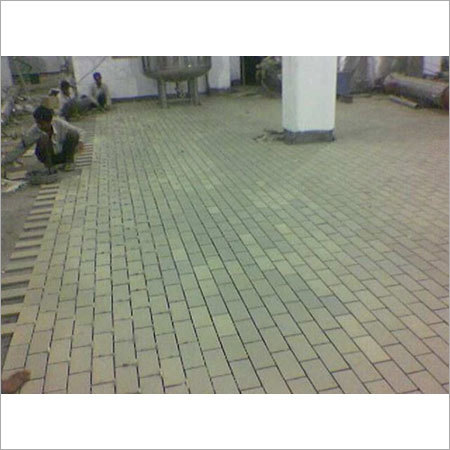
Chemical Resistant Tile Lining
2500 INR/Square Meter
Product Details:
- Color Ivory, Red, Black, Grey, Yellow, Custom colors
- Installation Type Acid/Chemical resistant mortar jointing
- Usage Protection of surfaces from aggressive chemicals and mechanical damage
- Material Grade Industrial Grade / IS 4457 standard
- Features Abrasion resistant, Acid/alkali proof, Low water absorption
- Application Chemical plants, Dyes and Intermediates, Fertilizer units, Breweries, Distilleries, Food and Beverage, Pharmaceutical units, Acid storage areas, Battery rooms, Pickling plants
- Purity High purity raw materials
- Click to View more
X
Chemical Resistant Tile Lining Price And Quantity
- 2500 INR/Square Meter
- 150 Square Meter
Chemical Resistant Tile Lining Product Specifications
- Rectangular, Square, Custom shapes
- Acid/Chemical resistant mortar jointing
- Ivory, Red, Black, Grey, Yellow, Custom colors
- 2.5 - 4.5 kg per tile (approx), varies by thickness and material
- High corrosive and chemical resistance, Thermal stability, Mechanical strength
- Vitrified Ceramic / Porcelain / Acid Proof Brick
- Protection of surfaces from aggressive chemicals and mechanical damage
- Chemical Resistant Tile Lining
- High purity raw materials
- Industrial Grade / IS 4457 standard
- Abrasion resistant, Acid/alkali proof, Low water absorption
- Chemical plants, Dyes and Intermediates, Fertilizer units, Breweries, Distilleries, Food and Beverage, Pharmaceutical units, Acid storage areas, Battery rooms, Pickling plants
- 230mm x 115mm x 38mm (Standard), Custom sizes available
- Glazed, Unglazed, Smooth Finish
- High mechanical load bearing capacity
- 12mm, 20mm, 25mm, 38mm
- Tiles, Bricks, Blocks
- Minimum 70 N/mm2
- < 0.5%
- Sodium silicate, Potassium silicate, Epoxy or Furan based mortar
- Tiles indefinite, Mortar shelf life 6-12 months
- Yes, non-toxic, recyclable
- 2.2 - 2.4 gm/cc
- Up to 99% against most acids (except hydrofluoric acid)
- Up to 170C continuous
- Above 700 kg/cm2
- Glossy or Matt
- Extremely low, non-porous surface
Chemical Resistant Tile Lining Trade Information
- 5000 Square Meter Per Week
- 2-7 Days
Product Description
Chemical Resistant Tile Lining is a heavy duty construction material which is especially designed to make hard floorings in industrial facilities such as chemical, paint and pharmaceutical to prevent the damages due to the spilling of the corrosive solvents as well as protects it from the impacts of heavy trolley. Chemical Resistant Tile Lining offered by us are manufactured by using best quality cementitious materials which results in highly rigid construction. It can also be used in chemical reactors and various other applications where the temperature ranges goes beyond 125 degree Celsius to resist high impacts of heat waves.Superior Chemical and Mechanical Resistance
Engineered for high-demand industrial environments, these tiles offer exceptional resistance to acids, alkalis, and mechanical impact. Their high flexural and compressive strengths ensure stability under rigorous operational conditions, while the non-porous surface minimizes absorption and prevents chemical infiltration.
Customizable for Varied Industrial Needs
With diverse shapes, thicknesses, finishes, and colors, these chemical resistant tiles can be tailored to meet specific installation and design requirements. Whether its for floors, walls, or storage areas, their adaptable sizing and compatibility with various jointing mortars make them suitable for a wide range of sectors.
Eco-Friendly and Safe Engineering
Made with non-toxic, recyclable materials, the tiles support sustainable facility management. Their long-lasting shelf life ensures durability and cost-effectiveness, while maintaining the integrity and safety of critical workplace environments.
FAQs of Chemical Resistant Tile Lining:
Q: How are chemical resistant tile linings installed for maximum performance?
A: These tiles are installed using acid and chemical resistant mortars such as sodium silicate, potassium silicate, epoxy, or furan-based compounds. The installation process involves proper surface preparation and precise alignment to ensure a highly impermeable and mechanically strong lining.Q: What makes these tiles effective against chemical and mechanical damage?
A: The tiles are manufactured from vitrified ceramic, porcelain, or acid proof bricks, offering flexural strength above 70 N/mm and compressive strength over 700 kg/cm. Their extremely low porosity and glazed or smooth finishes protect surfaces from chemical ingress and mechanical wear.Q: When should chemical resistant tile linings be used in industrial settings?
A: These linings are ideal for environments regularly exposed to aggressive chemicals, acids, and heavy mechanical loads, such as chemical plants, battery rooms, food and beverage processing units, fertilizer factories, and pharmaceutical facilities.Q: Where can chemical resistant tile linings be applied?
A: They are commonly used to protect floors, walls, and storage areas in industries including chemical processing, brewing, distilleries, acid storage, pickling plants, and dye manufacturing, both for new installations and refurbishment projects.Q: What is the maintenance process for chemical resistant tile linings?
A: Routine cleaning with neutral or mildly alkaline solutions is recommended to maintain the glossy or matt finish and to keep the tiles free from residual chemical build-up. The non-porous surface contributes to minimal maintenance requirements.Q: What are the benefits of using chemical resistant tile linings in industrial environments?
A: Benefits include long-lasting resistance to corrosion and abrasion, high load bearing capacity, thermal stability up to 170C continuous use, eco-friendly composition, and versatility in customization, ensuring reliable protection and lower operational costs.Q: Can these tiles be customized for size, shape, finish, or color?
A: Yes, the tiles are available in standard and custom sizes, shapes (rectangular, square, or specific requirements), various thicknesses, finishes (glossy or matt), and a range of colors to fit the design and operational needs of different clients.Tell us about your requirement

Price:
Quantity
Select Unit
- 50
- 100
- 200
- 250
- 500
- 1000+
Additional detail
Mobile number
Email

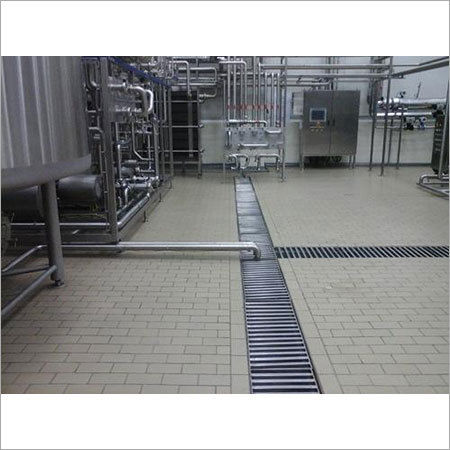
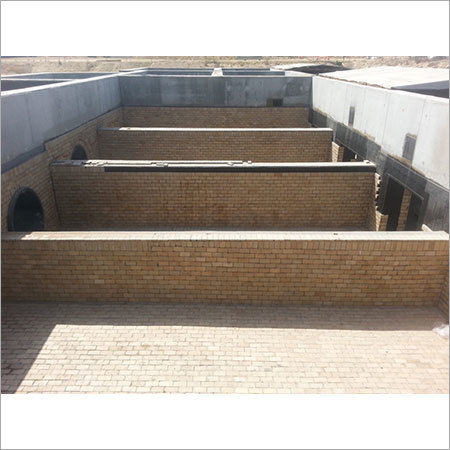
Other Products in 'Acid Alkali Resistant Tile Brick Lining' category




Contact Details
GOOD EARTH MINERALS PVT. LTD.
GST : 27AABCG7323C1ZZ
GST : 27AABCG7323C1ZZ
- 207, Ruby Industrial Estate, Mindspace, Malad (W),Mumbai - 400064, Maharashtra, India
- Send Inquiry
- Phone : 08045812128
 Send Inquiry
- Mr Ram (Sales Engineer)
- Mobile : 08045812128
|



 |
GOOD EARTH MINERALS PVT. LTD.
All Rights Reserved.(Terms of Use) Developed and Managed by Infocom Network Private Limited. |
