


 08045812128

- Home Page
- Company Profile
-
Our Products
-
Acid Alkali Resistant Tile Brick Lining
- Chemical Resistant Floor Lining
- Acid Resistant Tile Lining
- Acid Proof Tile
- Alkali Resistant Tile Lining
- Acid Proof Tile Lining
- Chemical Resistant Tile Lining Of A Plant Floor
- Alkali Resistant Brick Lining
- Industrial Acid Resistant Brick Lining
- Alkali Proof Tile Lining
- Industrial Alkali Resistant Tile Lining
- Acid Proof Tank Lining
- Acid Resistant Brick Lining
- Chemical Resistant Tile Lining
- Chemical Resistant Tile Lining Of Reaction Vessel
- Acid Proof Brick
- Epoxy Painting and Chemical Resistant Lining Works
- PPG Lining
- Coal Tar Epoxy Coating
- Bituminous Coating
- Acid Resistant Tile Lining
- Chemical Resistant Monolithic Coating
- Power Plant Acid Proof Tile Lining Services
- Wall Coating
- Epoxy Coating
- FRP Lining
- Refractory
-
Acid Alkali Resistant Tile Brick Lining
- Extra Link
- Contact Us
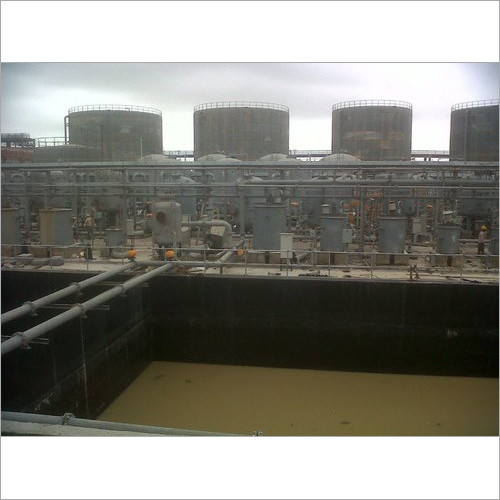
PPG Lining
2500 INR/Square Meter
Product Details:
- Installation Type Manual or mechanical laying
- Form Laminate/Sheet
- Purity High Purity Polypropylene
- Color White
- Diameter As per requirement
- Usage Ideal for lining tanks, vessels, and pipelines
- Load Capacity Depends on thickness and installation
- Click to View more
X
PPG Lining Price And Quantity
- 150 Square Meter
- 2500 INR/Square Meter
- 15+ years under recommended conditions
- Excellent insulation
- Meets ASTM and IS standards
- High
- Minimal, easy to clean
- Store in dry, covered area
- Up to 90°C continuous
- Good flexibility permitting bending
- Thermoplastic welded seams
- Low, less than 0.01%
- Self-extinguishing
- Stabilized for outdoor use
- 0.91 g/cm³
PPG Lining Product Specifications
- Industrial Grade
- Excellent mechanical strength, durable
- Sheet/Lining
- Lining application machines
- PPG Lining
- Chemical industry, water treatment plants
- 2 mm to 10 mm
- Custom sizes available
- Manual or mechanical laying
- Laminate/Sheet
- High Purity Polypropylene
- Variable as per size
- Smooth Finish
- White
- High chemical resistance
- As per requirement
- Ideal for lining tanks, vessels, and pipelines
- Depends on thickness and installation
- Polypropylene Glass (PPG)
- 15+ years under recommended conditions
- Excellent insulation
- Meets ASTM and IS standards
- High
- Minimal, easy to clean
- Store in dry, covered area
- Up to 90°C continuous
- Good flexibility permitting bending
- Thermoplastic welded seams
- Low, less than 0.01%
- Self-extinguishing
- Stabilized for outdoor use
- 0.91 g/cm³
PPG Lining Trade Information
- 5000 Square Meter Per Week
- 2-7 Days
Product Description
PPG Lining
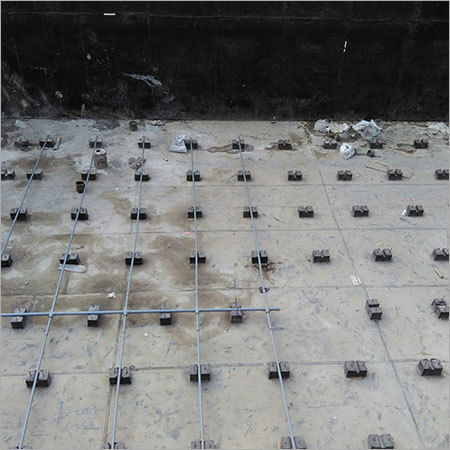
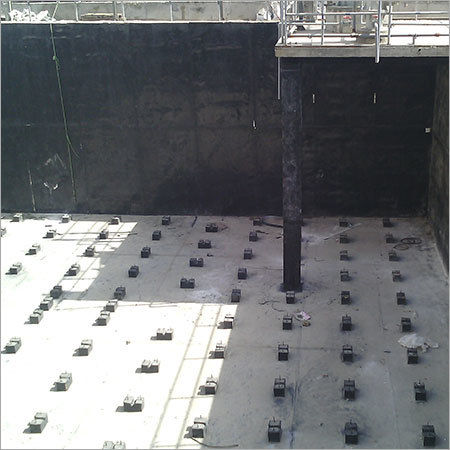
PPG Lining is a high performance chemically resistant technique which is an advanced solution to protect the civil structure from erosion due to highly corrosive acids and alkalis. It can also be used to avoid the breakdown of high pressure boiler of power plant or any Industrial component due to dematerialization to maintain the strength for the consistent performance of the equipments. PPG Lining has a high bonding strength with the cement structures which is more than 36 kilograms per square centimetres which makes it impossible to pill off. It is widely used in DM plants, neutralizing pit, chemical storage tank, battery room etc.
PPG Lining is a high performance chemically resistant technique which is an advanced solution to protect the civil structure from erosion due to highly corrosive acids and alkalis. It can also be used to avoid the breakdown of high pressure boiler of power plant or any Industrial component due to dematerialization to maintain the strength for the consistent performance of the equipments. PPG Lining has a high bonding strength with the cement structures which is more than 36 kilograms per square centimetres which makes it impossible to pill off. It is widely used in DM plants, neutralizing pit, chemical storage tank, battery room etc.
Exceptional Chemical and Thermal Resistance
PPG lining excels in environments exposed to harsh chemicals and elevated temperatures, with continuous resistance up to 90C. This makes it suitable for chemical processing tanks and pipelines, where stability and safety are crucial over extended periods.
Durable, Flexible, and Easy to Maintain
Featuring a smooth finish and robust mechanical strength, PPG lining offers high abrasion resistance and good flexibility for intricate installations. Maintenance is minimal, requiring only easy cleaning and periodic checks, which contributes to reduced downtime and long-term reliability.
Certified for Safety and Longevity
Manufactured to meet stringent ASTM and IS standards, the PPG lining is self-extinguishing, UV stabilized for outdoor use, and designed for a service life exceeding 15 years under recommended conditions. Its low moisture absorption and thermoplastic welded seams ensure lasting integrity in demanding industrial environments.
FAQs of PPG Lining:
Q: How is PPG lining installed for industrial tanks and pipelines?
A: PPG lining is installed using manual or mechanical laying methods, with thermoplastic welded seams ensuring a secure, leak-proof fit. Specialized lining application machines can facilitate accurate placement and welding for custom-sized sheets and complex shapes.Q: What makes PPG lining suitable for chemical industry applications?
A: Its high chemical resistance, low moisture absorption, and excellent thermal and fire-retardant properties make PPG lining ideal for chemical processing environments where durability and safety are priorities.Q: When should PPG lining be considered over other materials?
A: PPG lining is recommended for installations requiring sustained exposure to chemicals, elevated temperatures (up to 90C), and environments needing superior electrical insulation and fire safety. It outperforms conventional linings in harsh industrial settings.Q: Where can PPG lining be used apart from chemical plants?
A: PPG lining is also suitable for water treatment plants, vessels, storage tanks, and pipelines in various industries requiring robust mechanical strength, UV stability, and minimal maintenance.Q: What is the process for maintaining PPG lining?
A: Maintenance involves regular visual inspections, cleaning with mild agents, and ensuring the storage area is dry and covered when not in use. Its smooth finish makes cleaning straightforward and helps prolong service life.Q: What benefits does PPG lining offer in terms of longevity and reliability?
A: With a service life exceeding 15 years, PPG lining maintains its structural and chemical integrity under recommended conditions due to its abrasion resistance, UV stability, and fire-retardant properties, ensuring long-term operational stability.Q: How can the lining be customized to fit specific project requirements?
A: PPG lining is supplied in custom sizes, thicknesses (ranging from 2 mm to 10 mm), and diameters as needed. Industrial-grade purity is assured, and sheets or laminates are tailored to match project specifications for optimal performance.Tell us about your requirement

Price:
Quantity
Select Unit
- 50
- 100
- 200
- 250
- 500
- 1000+
Additional detail
Mobile number
Email

Other Products in 'PPG Lining' category




Contact Details
GOOD EARTH MINERALS PVT. LTD.
GST : 27AABCG7323C1ZZ
GST : 27AABCG7323C1ZZ
- 207, Ruby Industrial Estate, Mindspace, Malad (W),Mumbai - 400064, Maharashtra, India
- Send Inquiry
- Phone : 08045812128
 Send Inquiry
- Mr Ram (Sales Engineer)
- Mobile : 08045812128
|



 |
GOOD EARTH MINERALS PVT. LTD.
All Rights Reserved.(Terms of Use) Developed and Managed by Infocom Network Private Limited. |
