


 08045812128

- Home Page
- Company Profile
-
Our Products
-
Acid Alkali Resistant Tile Brick Lining
- Chemical Resistant Floor Lining
- Acid Resistant Tile Lining
- Acid Proof Tile
- Alkali Resistant Tile Lining
- Acid Proof Tile Lining
- Chemical Resistant Tile Lining Of A Plant Floor
- Alkali Resistant Brick Lining
- Industrial Acid Resistant Brick Lining
- Alkali Proof Tile Lining
- Industrial Alkali Resistant Tile Lining
- Acid Proof Tank Lining
- Acid Resistant Brick Lining
- Chemical Resistant Tile Lining
- Chemical Resistant Tile Lining Of Reaction Vessel
- Acid Proof Brick
- Epoxy Painting and Chemical Resistant Lining Works
- PPG Lining
- Coal Tar Epoxy Coating
- Bituminous Coating
- Acid Resistant Tile Lining
- Chemical Resistant Monolithic Coating
- Power Plant Acid Proof Tile Lining Services
- Wall Coating
- Epoxy Coating
- FRP Lining
- Refractory
-
Acid Alkali Resistant Tile Brick Lining
- Extra Link
- Contact Us
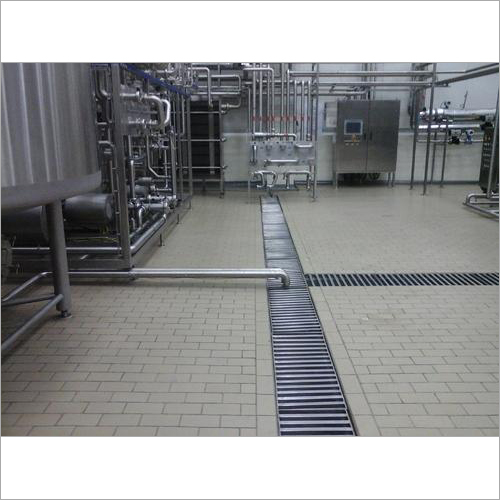
Steel Plant Acid Resistant Tile Lining
2500 INR/Square Meter
Product Details:
- Material Grade IS 4457:2007 / IS 4860 Approved
- Color Light Grey / Off White
- Application Steel Plant structures, chimneys, floors, drainage lines, tanks, pipe lining
- Thickness 10 mm - 38 mm
- Purity 99% Silica content
- Form Solid Tile
- Load Capacity High Load Bearing Capacity
- Click to View more
X
Steel Plant Acid Resistant Tile Lining Price And Quantity
- 2500 INR/Square Meter
- 150 Square Meter
- Wooden Boxes / Corrugated Cartons with protective foam
- Excellent against acids, alkalis, solvents (except hydrofluoric acid)
- Acid Proof Mortar or Resin based adhesive
- High (suitable for heavy wear areas)
- >700 kg/cm²
- Up to 100°C continuous, higher short term
- Chamfered / Straight
- <0.5% - 1% (as per grade)
- Unlimited, if stored properly
- >100 kg/cm²
- Glossy / Matt (as required)
- Store in covered, dry, and ventilated area
- Acid Resistant Cement or Epoxy Grout
Steel Plant Acid Resistant Tile Lining Product Specifications
- 99% Silica content
- Steel Plant structures, chimneys, floors, drainage lines, tanks, pipe lining
- 10 mm - 38 mm
- Rectangular
- Acid Resistant Tile Lining
- Glossy / Glazed Acidproof Coating
- Light Grey / Off White
- IS 4457:2007 / IS 4860 Approved
- Industrial Grade Ceramic
- Cement Mortar / Epoxy based adhesive
- Chemical process area, tanks, pickling lines
- Long life, easy to clean, minimizes maintenance cost
- Tile application compatible with manual and mechanical tools
- High Load Bearing Capacity
- Solid Tile
- Chemical resistant, Alkali proof, Abrasion resistant
- 230 mm x 115 mm
- 2.5 - 3.2 kg/piece
- Wooden Boxes / Corrugated Cartons with protective foam
- Excellent against acids, alkalis, solvents (except hydrofluoric acid)
- Acid Proof Mortar or Resin based adhesive
- High (suitable for heavy wear areas)
- >700 kg/cm²
- Up to 100°C continuous, higher short term
- Chamfered / Straight
- <0.5% - 1% (as per grade)
- Unlimited, if stored properly
- >100 kg/cm²
- Glossy / Matt (as required)
- Store in covered, dry, and ventilated area
- Acid Resistant Cement or Epoxy Grout
Steel Plant Acid Resistant Tile Lining Trade Information
- 5000 Square Meter Per Week
- 2-7 Days
Product Description
Steel Plant Acid Resistant Tile Lining
Steel Plant Acid Resistant Tile Lining is a hard flooring element which is used to make a heavy duty floor in industries which deals with the manufacturing of steel and various types of metal products. It is manufactured by using top grade construction materials such as cement, adhesives and various types of chemical additives which results in rigid construction and highly resistant against highly corrosive chemicals and impacts of molten metals to prevent any damage to the surface.
Steel Plant Acid Resistant Tile Lining is a hard flooring element which is used to make a heavy duty floor in industries which deals with the manufacturing of steel and various types of metal products. It is manufactured by using top grade construction materials such as cement, adhesives and various types of chemical additives which results in rigid construction and highly resistant against highly corrosive chemicals and impacts of molten metals to prevent any damage to the surface.
Engineered for Extreme Chemical and Mechanical Stress
These acid resistant ceramic tiles are crafted specifically for steel plant infrastructure, offering high compressive and bending strengths, as well as superior resistance against harsh chemicals. The meticulously glazed acidproof surface maximizes durability, even in environments subject to frequent exposure to acids, alkalis, and solvents (except hydrofluoric acid). Designed for heavy-duty areas such as floors, tanks, chimneys, and drainage lines, they ensure lasting structural integrity.
Versatile Installation and Enduring Performance
Installation is flexible and compatible with both manual and mechanical tile application methods, using acid resistant cement or epoxy grout for joint filling. The tiles chamfered or straight edges and various thicknesses enable tailored solutions for a range of steel plant structures. Proper storage in cool, dry, ventilated areas ensures an indefinite shelf life, further enhancing cost-effectiveness and minimizing long-term maintenance.
FAQs of Steel Plant Acid Resistant Tile Lining:
Q: How are acid resistant tiles installed in a steel plant?
A: These tiles can be installed using either cement mortar or resin-based adhesives. For optimal chemical resistance, joints should be filled with acid resistant cement or epoxy grout. Installation is compatible with both manual and mechanical tile application tools, depending on project scale and requirements.Q: What areas within a steel plant commonly use acid resistant tile lining?
A: Acid resistant tile linings are typically used in chemical process areas, pickling lines, tanks, floors, chimneys, drainage channels, and pipe liningsessentially wherever there is exposure to corrosive chemicals or high mechanical wear.Q: When should acid resistant tiling be considered over traditional flooring?
A: Tiling should be considered whenever floors or lining systems are exposed to aggressive chemicals, high abrasion, or require easy maintenance, such as in process areas, storage tanks, drains, and chimneys in steel plants. Their superior resistance to chemicals and wear prolongs service life and reduces maintenance costs.Q: What are the main benefits of using these tiles in steel plants?
A: The primary benefits include exceptional resistance to acids, alkalis, and solvents (excluding hydrofluoric acid), high load bearing capacity, low water absorption, and minimal maintenance requirements. Their durable surface helps reduce downtime associated with repairs and maintenance, contributing to overall operational efficiency.Q: How should these tiles be stored before installation?
A: Tiles should be stored in a dry, covered, and well-ventilated area to prevent moisture absorption or damage. Proper storage ensures their shelf life remains unlimited and preserves their structural and chemical integrity until they are ready for installation.Q: What options are available for tile finish and shape?
A: The tiles are available in both glossy and matt finishes, with either chamfered or straight edges. The standard shape is rectangular; sizes and thicknesses can be selected based on specific structural requirements and application zones.Tell us about your requirement

Price:
Quantity
Select Unit
- 50
- 100
- 200
- 250
- 500
- 1000+
Additional detail
Mobile number
Email

Other Products in 'Acid Resistant Tile Lining' category



Contact Details
GOOD EARTH MINERALS PVT. LTD.
GST : 27AABCG7323C1ZZ
GST : 27AABCG7323C1ZZ
- 207, Ruby Industrial Estate, Mindspace, Malad (W),Mumbai - 400064, Maharashtra, India
- Send Inquiry
- Phone : 08045812128
 Send Inquiry
- Mr Ram (Sales Engineer)
- Mobile : 08045812128
|



 |
GOOD EARTH MINERALS PVT. LTD.
All Rights Reserved.(Terms of Use) Developed and Managed by Infocom Network Private Limited. |
